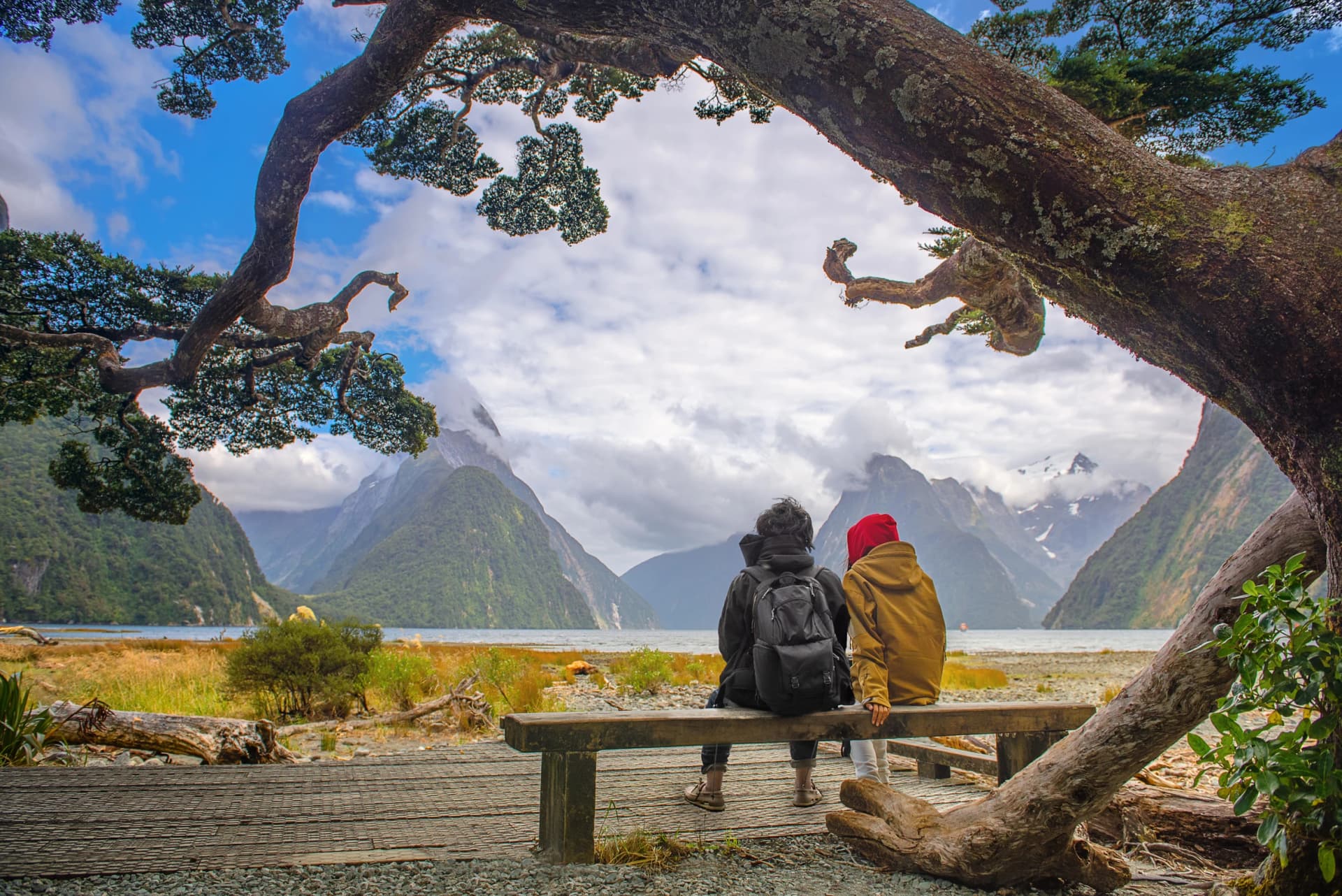
the scenery view of landscape of Milford Sound, the most popular and famous place for tourist and traveling in South New Zealand
StartseiteTouren

Pfeifen in den Marlborough Sounds und ein Glockenvogel könnte antworten. Selbstgeführte Wanderungen in Neuseeland, von den goldenen Stränden Abel Tasmans bis zur Südküste von Fiordland.

Höhepunkte

  • Wade über die Awaroa-Bucht bei Ebbe.
  • Kosten Sie Greenshell-Muscheln frisch aus den Sounds.
  • Sehen Sie Seelöwen, Weka und mit etwas Glück Hector-Delfine.
  • Beginnen Sie an Ship Cove, wo Kapitän Cook die meisten seiner Tage in Neuseeland verbrachte.

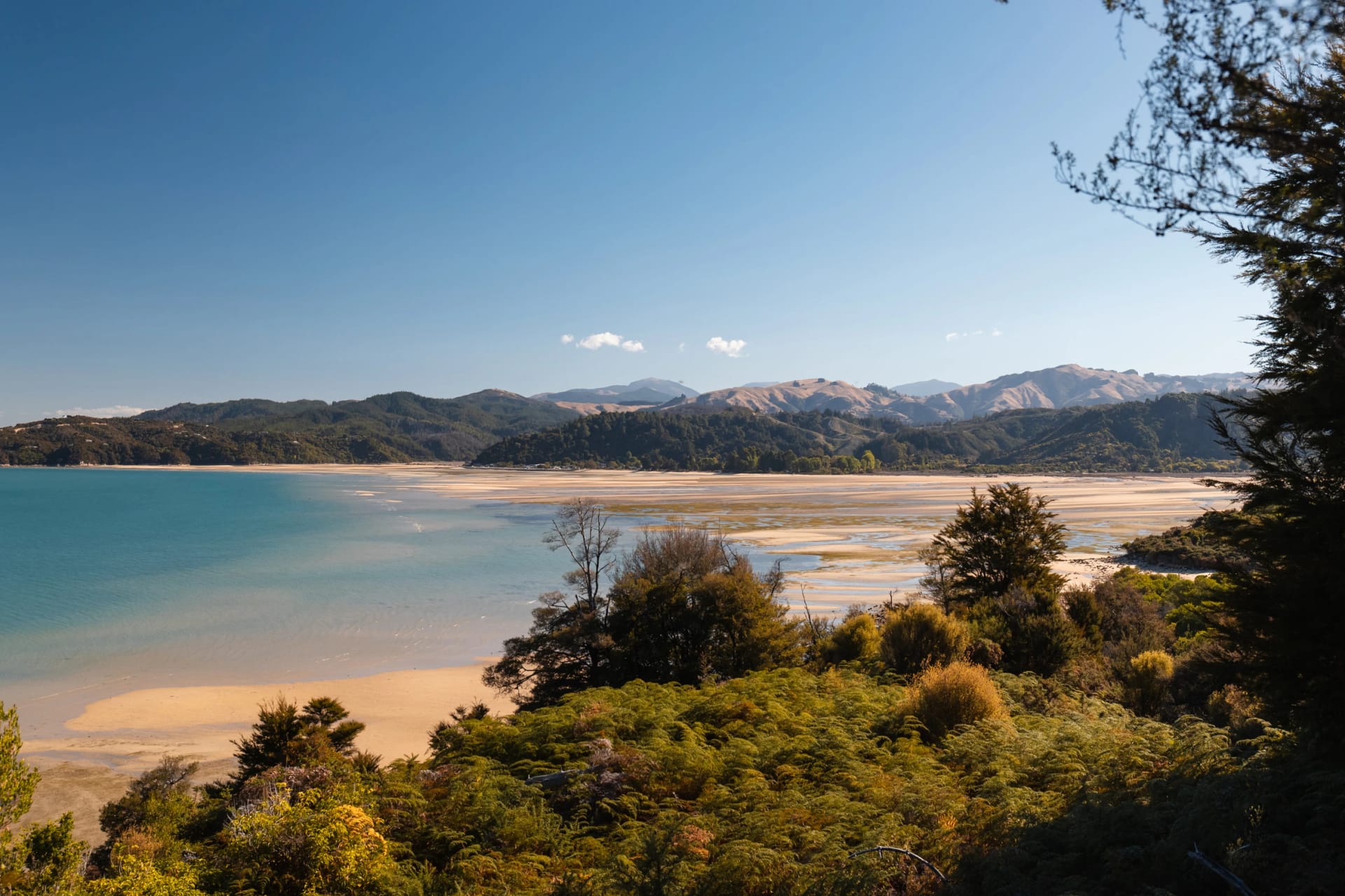
View onto Otuwhero Inlet in Abel Tasman National Park during sunset and low tide on a clear summer day (South Island, New Zealand)

Die Südinsel zu Fuß

Unsere selbstgeführten Wanderungen in Neuseeland folgen Wegen an beiden Enden der Südinsel.

Am nördlichen Ende sehen die Māori die Marlborough Sounds als den geschnitzten Bug von Māuis Kanu. Anstatt den langen Weg zu paddeln, trugen die Māori ihre waka über Land zwischen den Sounds, über niedrige Sättel. Der Queen Charlotte Track überquert einen von ihnen bei Torea, neben Portage, einer Bucht, die nach dieser Praxis benannt ist.

Westlich der Sounds führte eine Kampagne gegen die Holzernte zur Eröffnung des Abel Tasman Nationalparks im Jahr 1942, 300 Jahre nachdem Tasman in Golden Bay/Mohua ankern konnte. Straßen erreichen den Küstenweg nur in der Nähe der beiden Enden, sodass man dazwischen zu Fuß gehen oder ein Boot nehmen muss.

Am südlichen Ende lebte Tuatapere bis 1984 von Holz, als die meisten seiner Sägewerke schlossen. Die Antwort der Stadt war ein Wanderweg. Freiwillige halfen beim Bau des Hump Ridge Tracks, indem sie etwa 30.000 Stunden investierten, und er wurde 2001 am südlichen Rand von Fiordland eröffnet.

HASSLE-FREE

We handle itineraries, accommodations, and anything else you prefer not to deal with, so you can enjoy a carefree hike.

BOOK WITH CONFIDENCE

We are a financially protected company, fully bonded and insured, keeping your money safe and allowing you to travel with confidence.

TRIED & TESTED ADVENTURES

We picked each walk only after checking it stage by stage, from the boat timetables to the lodge at each stop.

SUPPORT ON THE TRACK

Our support number is in the guidebook we give you, for a missed boat or a change of plan. In an emergency, dial 111, free from any phone.
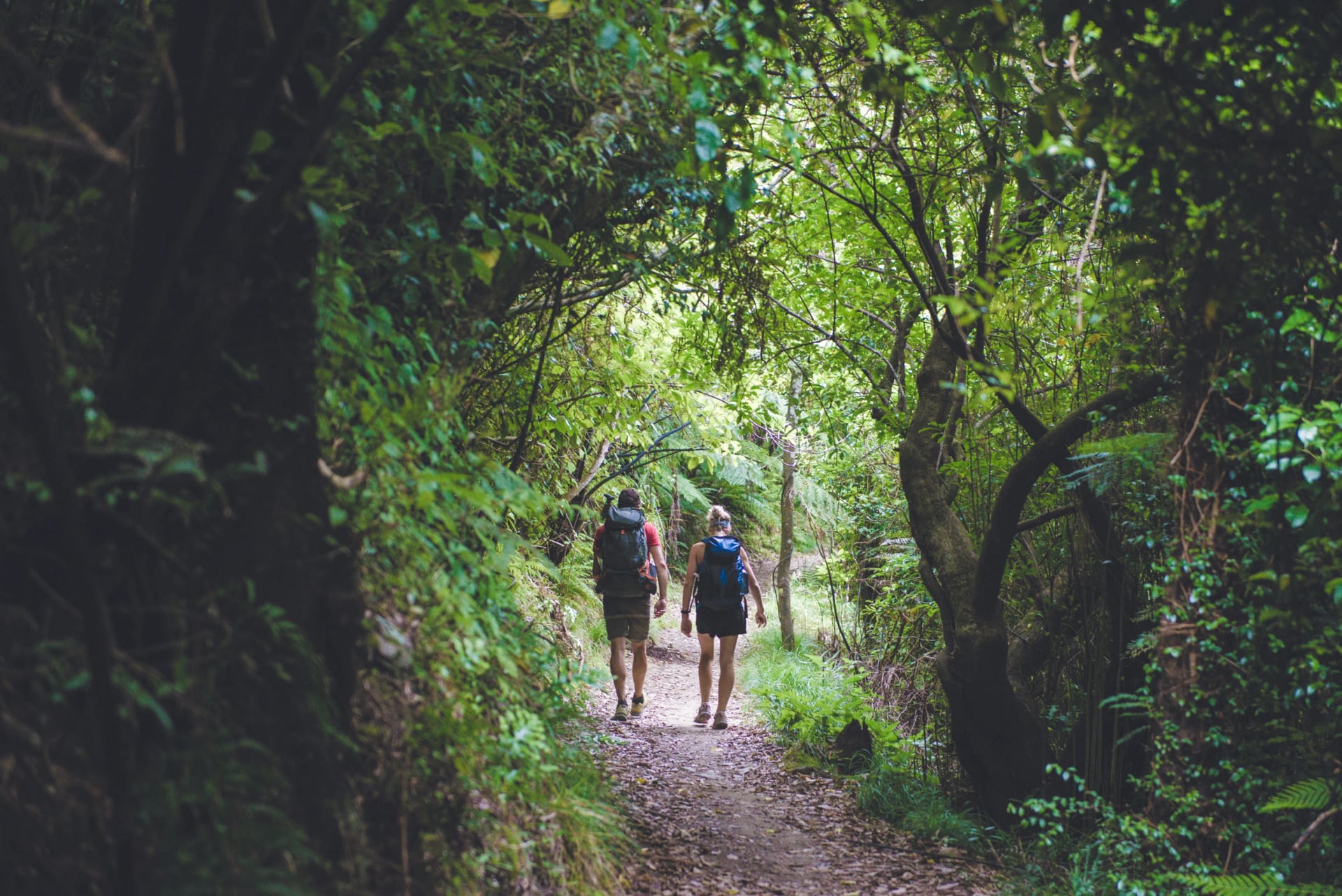
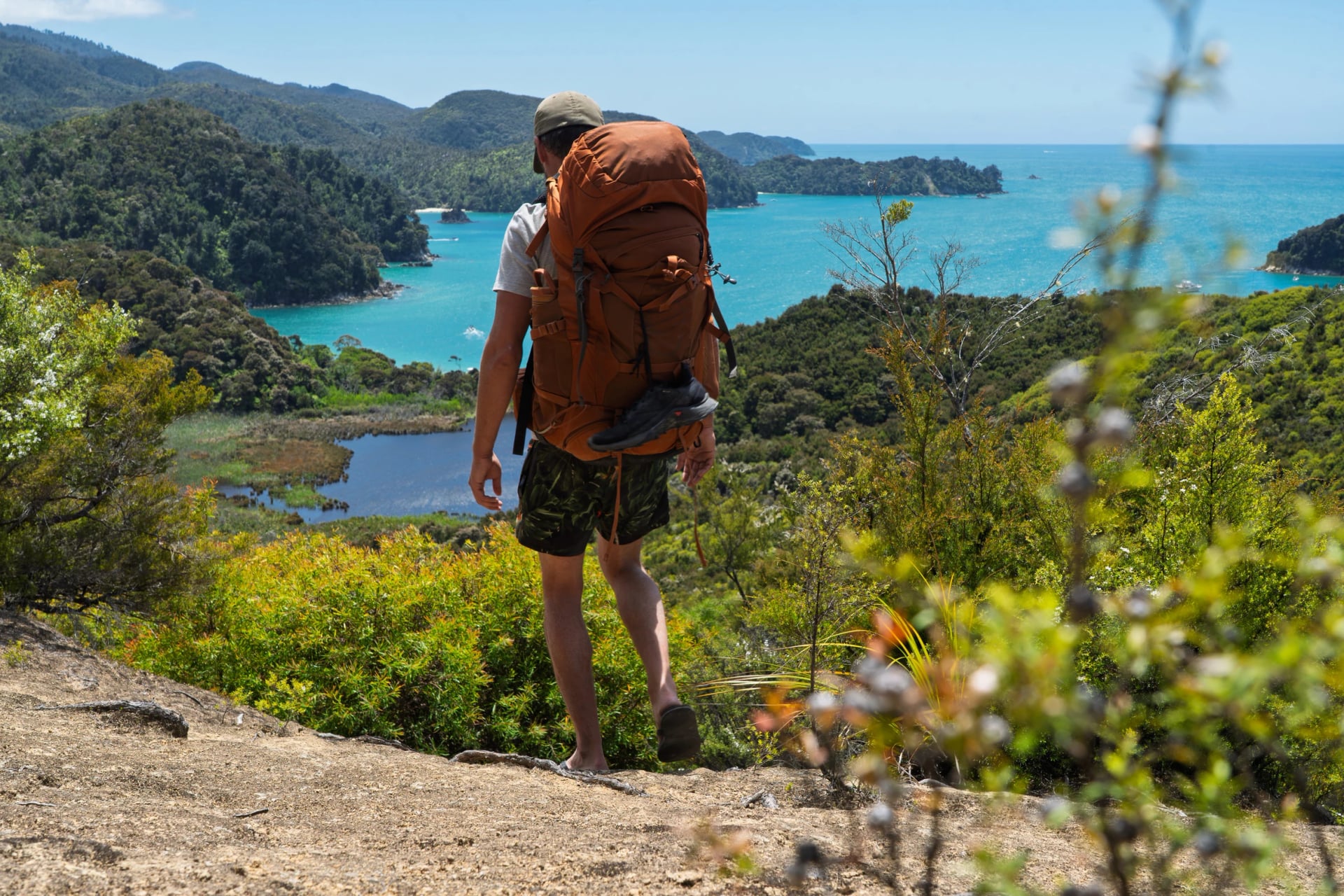
Häufig gestellte Fragen

Not on these walks. You go as your own party, with our guidebook to hand, on tracks marked from end to end. On the Queen Charlotte, the one turn to watch is at Torea Saddle.

Most days have a fixed point or two: a boat to catch, or a low tide to wait for. The swims and long lunches fit around them.

New to it? Self-guided walking, explained.

None of them needs scrambling, and age matters less than walking fitness. In order of effort:

  1. The Abel Tasman is the gentle one, with short stages and small climbs

  2. The Queen Charlotte's longest day is about 8 hours, and mountain bikers share the track

  3. The Hump Ridge climbs 890 m on its first day, from the beach to the first lodge. The Hump Ridge Track Trust, which runs it, asks for moderate to high fitness and advises training first

Each walk is rated from 1 to 5 for fitness and for technical difficulty. Our Hiking Difficulty Guide says what each number means.

Always under a roof, never in a tent or a public hut. The rooms change with the track:

  • Queen Charlotte: your own room and bathroom, in lodges with a restaurant and a bar

  • Abel Tasman: a room with its own bathroom at a lodge inside the park, after a B&B at the park entrance

  • Hump Ridge: shared bunk rooms for four or eight in the Trust's two lodges. Bathrooms are shared, and hot showers cost extra. A pillow and blanket are supplied; bring or hire a sleeping bag

Twin or double on the Queen Charlotte or the Abel Tasman? Let us know.

Breakfast comes with your Abel Tasman rooms, and dinner there is paid on the spot. Queen Charlotte lodges sell breakfast, dinner and packed lunches. On the Hump Ridge, every walker gets free porridge in the morning.

Hump Ridge walkers cook their own meals in the lodges' shared kitchens, on gas. Bring food from Tuatapere, or buy meal kits in the lodge shops. Because they hold a liquor licence, the Hump Ridge lodges allow no outside alcohol.

Queen Charlotte bags travel by boat each walking day. The boat pass covers one bag per person. Bags can get wet between boat and jetty, so pack yours in a waterproof liner.

Abel Tasman water taxis serve every stage, and each fare carries one bag of up to 20 kg.

Hump Ridge walkers carry their own pack, usually 10–14 kg, so bring one of 40–50 litres. On the first walking day, a helicopter can lift a bag of up to 10 kg to the first lodge, as an optional extra. It flies on Mondays and Thursdays, subject to availability. Drop the bag at the Trust's office in Tuatapere by 8 am.

Getting to the trailhead town is up to you, and we plan the walk around your arrival:

  • Nelson, for the Abel Tasman: direct flights from Auckland, Wellington and Christchurch, then about an hour by road to Mārahau

  • Picton, for the Queen Charlotte: the Interislander ferry from Wellington takes 3.5 hours. Or fly to Blenheim, 30 minutes' drive away

  • Queenstown, Te Anau or Invercargill, for the Hump Ridge: the Trust's shuttle runs to Tuatapere if you book ahead. Queenstown has direct flights from Australia

On the combined walk, Nelson to Picton is about 2 hours by road.

February fills first. The Queen Charlotte lodges at Endeavour Inlet can be full for mid-February four months ahead. For December and January, write as soon as you know when you're coming. The sooner your dates reach us, the more choice you have.

The Department of Conservation (DOC) sells the Great Walk huts and campsites, and on the Abel Tasman they must be booked all year round. Our walks sleep in lodges instead, so you need no DOC booking.

Australian citizens need no visa or NZeTA: a passport is enough.

Australian permanent residents and US and UK travellers need an NZeTA, New Zealand's electronic travel authority. Request it before you fly and allow 72 hours. It lasts two years. US and UK visitors pay the International Visitor Levy with it. On an NZeTA, your passport must be valid for 3 months after you leave New Zealand.

On arrival, declare used hiking boots and outdoor gear on the free NZ Traveller Declaration, and clean your boots before you fly. Undeclared outdoor gear can earn an instant NZD 400 fine, even for an honest mistake.